
TENERIFE, Spain – In a harrowing turn of events that has cast a shadow over this idyllic Canary Islands paradise, a powerful tidal surge battered the northern coast of Tenerife on Saturday, claiming three lives and injuring 15 others. Dubbed a “red alert” by local authorities, the monster waves swept unsuspecting tourists and residents into the churning Atlantic Ocean, turning popular coastal promenades into scenes of chaos and tragedy. Emergency teams worked tirelessly through the night, but the ferocity of the Tenerife tidal surge left communities reeling and prompted urgent calls for heightened vigilance amid volatile Tenerife weather patterns.
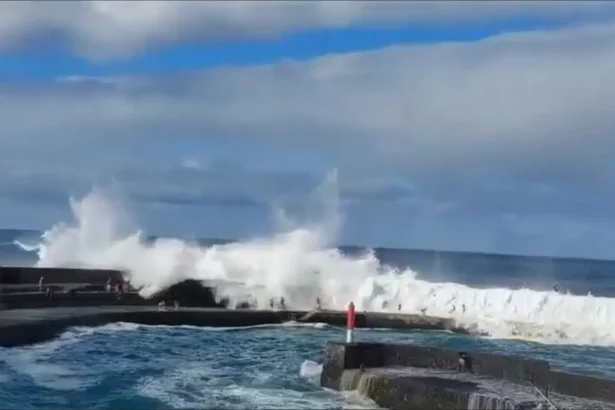
The incidents unfolded across four separate locations along Tenerife’s rugged shoreline, including the bustling tourist hubs of Puerto de la Cruz, La Guancha, Santa Cruz de Tenerife, and the beachside area of Granadilla. Eyewitnesses described a sudden and ferocious onslaught: an unexpectedly high wave crashing against a pier in Puerto de la Cruz, dragging at least 10 people—many of them holidaymakers—into the frothy depths below. “It was like the sea came alive,” said Maria Gonzalez, a local vendor who witnessed the surge from her nearby stall. “One moment, families were posing for photos; the next, screams echoed as the water pulled them under.”
Also Read: US Driving License Changes for Drivers Over 70: Key Renewal Requirements
A Deadly Cascade of Waves
The victims included a man and a woman in their 50s, who succumbed to the relentless pull of the currents in La Guancha and Puerto de la Cruz, respectively. The woman in Puerto de la Cruz reportedly suffered a fatal heart attack after being rescued from the water, while several others among the injured required hospitalization for hypothermia, cuts, and exhaustion. A third man was discovered floating lifeless near a Granadilla beach, his body recovered hours later by lifeguards on high alert.
Of the 15 injured, nine were transported to local hospitals, with three listed in critical condition as of Sunday morning. Rescue operations involved helicopters, jet skis, and ground teams battling winds gusting up to 50 km/h (31 mph), which exacerbated the already perilous conditions.
This Tenerife tidal surge comes as no surprise to seasoned locals, who note that autumn and winter often bring such dramatic weather shifts to the Canary Islands. However, the scale of Saturday’s events has amplified concerns over tourist safety in an area that welcomes over a million UK visitors annually, drawn by its volcanic beaches and year-round sunshine. The embedded video above, originally captured during a 2018 windstorm in nearby Playa de la Cruz, shows enormous waves slamming into a seaside apartment building — sending spray cascading over balconies and underscoring the raw power the Atlantic can unleash on Tenerife’s shores.
Warnings Ignored? The Perils of Tenerife Weather
In the lead-up to the surge, Spain’s meteorological agency, AEMET, had issued a “red alert” for coastal hazards, forecasting strong winds and sudden sea swells reaching up to 4 meters (13 feet) in height. Authorities repeatedly urged the public—via loudspeakers, social media, and signage—to steer clear of coastal paths, piers, and rocky outcrops. “Do not risk selfies or videos by the water’s edge; the sea is unforgiving,” read one official advisory posted hours before the first incident.
Tenerife weather in November is notoriously unpredictable, with mild daytime highs of around 24°C (75°F) masking the potential for fierce Atlantic storms. Average rainfall hovers at just 18 mm for the month, but when combined with northerly winds, it can trigger these rogue surges. Experts link the increasing frequency of such events to broader climate patterns, including warmer sea temperatures that fuel more intense wave formations. “We’re seeing surges like this more often, and they’re hitting harder,” explained Dr. Elena Vargas, a marine climatologist at the University of La Laguna. “Tourism drives our economy, but we must adapt with better barriers and education.”
Community Response and Ongoing Alerts
As dawn broke on Sunday, cleanup crews in Puerto de la Cruz sifted through debris-strewn promenades, while grief counselors fanned out to support affected families. Local officials, including Tenerife’s president Rosa Dávila, visited the sites, vowing a review of coastal infrastructure. “Our hearts go out to the families, but this tragedy underscores the need for stricter enforcement of warnings,” Dávila stated in a press briefing.
The Canary Islands remain on heightened alert for further coastal hazards, with yellow warnings for rough seas extending through Monday. Travelers are advised to monitor AEMET updates and stick to inland activities, such as hiking in Teide National Park or exploring Santa Cruz’s vibrant markets.
This incident serves as a stark reminder of nature’s dominance in Tenerife news cycles, where paradise and peril coexist. As investigations continue, the focus shifts to prevention: How can this sun-kissed island balance its allure with the raw forces of the ocean? For now, the waves have quieted, but the lessons—and the sorrow—linger.
For the latest on Tenerife weather and safety tips, visit local emergency services portals or follow #TenerifeTidalSurge on social media. Our thoughts are with the victims and their loved ones.