
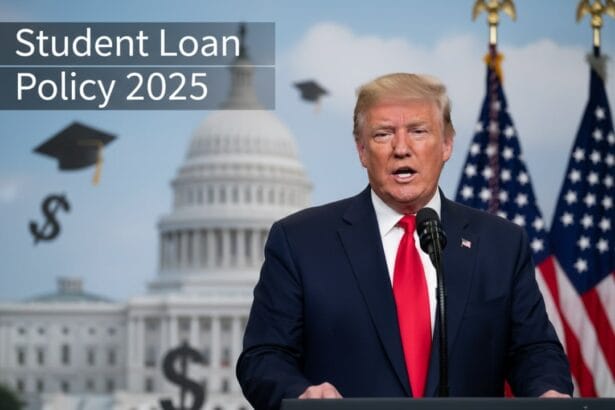
The Trump administration has outlined new changes to the federal student loan system, aiming to reshape how millions of borrowers repay their education debt. These updates, expected to take effect later this year, focus on repayment structures, loan forgiveness eligibility, and stricter oversight of federal aid programs.
What the New Policy Means
The administration says the new rules are designed to “simplify” the repayment process and reduce the cost to taxpayers. However, experts and student advocates warn that the changes may make it harder for some borrowers to qualify for forgiveness or lower payments.
Under the proposed plan, the Trump administration will replace the existing SAVE (Saving on a Valuable Education) plan with a new income-driven repayment system. The new program will require most borrowers to pay a slightly higher percentage of their monthly income toward student loans compared to the current plan.
Key Changes to Repayment Plans
The most notable change is the adjustment of the income-based repayment formula. Under the SAVE plan, borrowers paid 5% of their discretionary income for undergraduate loans. The Trump plan proposes increasing that rate to 10%, bringing it closer to older repayment models such as REPAYE.
Borrowers who fail to make consistent payments may face faster interest buildup, ending the current policy that prevents unpaid interest from accumulating. The Education Department said this change is meant to “encourage responsibility” and ensure steady repayment.
Another major difference is the removal of automatic forgiveness after 20 years for undergraduate borrowers. Under Trump’s policy, forgiveness may still be available, but only for those who meet stricter requirements, such as maintaining full-time employment and a consistent payment history.
Public Service Loan Forgiveness (PSLF)
The Public Service Loan Forgiveness program, which cancels debt for government and nonprofit workers after 10 years of payments, will also see revisions. The administration has proposed narrowing eligibility, arguing that the program is “costly and uneven.” Only federal employees and certain healthcare and education workers may continue to qualify under the new rules.
Critics say these changes could discourage public service work and make long-term debt relief harder to reach. In response, the Education Department said it will offer “alternative repayment benefits” for those working in essential public roles.
Student Loan Forgiveness Outlook
President Trump has stated that his administration does not plan to offer large-scale student loan cancellation, saying the focus should be on “fair repayment” and “financial responsibility.” This marks a clear shift from the Biden administration’s efforts to forgive up to $20,000 in student debt per borrower, which was blocked by the Supreme Court in 2023.
Instead, Trump’s plan emphasizes targeted relief for certain groups, such as disabled veterans and borrowers defrauded by closed schools. The administration is also reviewing past forgiveness cases to ensure that only eligible applicants benefit.
Impact on Borrowers
According to the latest data from the U.S. Department of Education, more than 40 million Americans hold federal student loans. Analysts believe that many low-income borrowers could see higher monthly payments under the Trump policy, especially those who were benefiting from the SAVE plan’s lower payment rate.
However, supporters of the new plan argue that it will help stabilize the loan system and reduce federal costs. They claim the reforms will prevent “massive forgiveness programs” that they say unfairly shift debt to taxpayers.
When the Changes Take Effect
The Education Department has confirmed that the new repayment system will begin rolling out in early 2026, following a public comment period and final rule approval. Borrowers will receive detailed guidance by email or through their loan servicers before any changes are applied.
Financial advisors suggest that borrowers review their repayment options carefully and use the Federal Student Aid (FSA) website to estimate new payment amounts.