

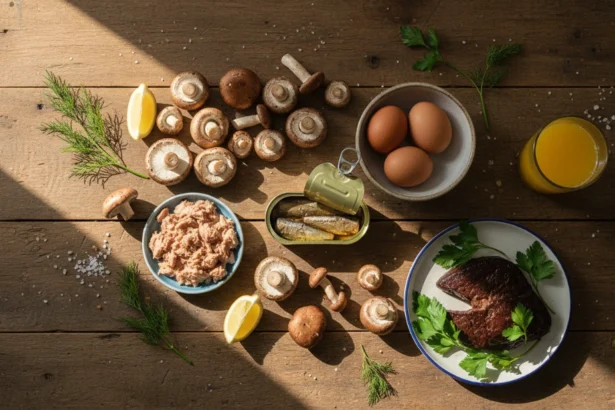
Most people associate Vitamin D with sunlight. But relying only on the sun doesn’t always work. Busy indoor lifestyles, cloudy weather, and sunscreen use often leave us short on this essential nutrient. That’s why knowing the right Vitamin D foods is important.
Vitamin D plays a vital role in bone strength, immunity, and overall wellness. Yet, many people don’t realize how easily they can meet their needs through food. This article explores foods high in vitamin D, their health benefits, and how you can add them to your diet to improve your Vitamin D nutrition naturally.
Why Vitamin D Matters More Than You Think
Before exploring the Vitamin D rich foods list, it’s worth understanding what makes this nutrient so powerful.
1. Bone and Muscle Health
Vitamin D for bone health is one of its most recognized benefits. It helps the body absorb calcium efficiently, strengthening bones and reducing the risk of fractures. Low Vitamin D levels can lead to weak muscles and bone-related issues like osteoporosis.
2. Immune System Support
Adequate Vitamin D nutrition helps the immune system function properly. It supports your body’s defense against infections, inflammation, and chronic illnesses.
3. Mental and Mood Balance
Low Vitamin D has been linked to mood changes and seasonal depression. Adding healthy foods for Vitamin D to your diet can help improve energy and mental clarity, especially during winter months.
Also Read: Midwest Winter Hack: DIY Honey and Oatmeal Face Masks for Glowing, Hydrated Skin
How to Get Vitamin D from Food
Sunlight is the most natural way to produce Vitamin D. However, when sunlight is limited, diet becomes crucial. You can easily learn how to get Vitamin D from food by including specific sources in your meals.
There are two main types of Vitamin D:
- Vitamin D2 (Ergocalciferol): Found mainly in plant-based and fortified foods Vitamin D.
- Vitamin D3 (Cholecalciferol): Found in animal-based products like fish and eggs.
Both forms help increase blood levels of Vitamin D, but D3 is slightly more effective.
7 Surprising Foods High in Vitamin D You Probably Didn’t Know About
Here’s the Vitamin D rich foods list that might surprise you. These options are both nutritious and easy to include in everyday meals.
1. Canned Tuna: The Affordable Powerhouse

Canned tuna is one of the easiest and most budget-friendly Vitamin D foods you can add to your meals. A 100-gram serving of canned light tuna provides roughly 260 IU of Vitamin D, making it a valuable source, especially for people who don’t consume fresh fish regularly.
Why it’s one of the best sources of Vitamin D:
- Rich in both Vitamin D3 and Omega-3 fatty acids, supporting heart and brain health.
- Provides lean protein, making it ideal for weight management.
- Convenient for storage and meal prep — lasts long and requires no refrigeration before opening.
How to enjoy it:
- Mix it with chopped vegetables and olive oil for a protein-rich tuna salad.
- Use in sandwiches or wraps for quick lunches.
- Add to pasta with lemon and herbs for a light dinner.
Tip: Choose tuna packed in water rather than oil to control calories and avoid excess fat.
2. Sun-Exposed Mushrooms: A Natural Plant-Based Source

Few people know that mushrooms can actually “make” their own Vitamin D when exposed to sunlight, just like human skin. This makes them a standout among natural Vitamin D sources for vegetarians and vegans.
Vitamin D content:
- A cup of raw UV-exposed mushrooms can offer 400–800 IU of Vitamin D2, depending on exposure time.
- Vitamin D2 (ergocalciferol) is slightly less potent than D3 but still highly beneficial for maintaining blood levels.
Why mushrooms Vitamin D is unique:
- One of the few plant-based sources of Vitamin D.
- Low in calories and fat but rich in fiber, selenium, and antioxidants.
How to enjoy them:
- Grill or sauté mushrooms with garlic for a flavorful side dish.
- Add to soups, salads, or omelets.
- Roast sun-dried mushrooms to enhance flavor and preserve nutrients.
Tip: Look for labels that mention “UV-exposed” or “Vitamin D enriched” when buying packaged mushrooms.
3. Egg Yolks: The Hidden Nutrient Gem

Eggs are often thought of as protein powerhouses, but the egg yolk is where the Vitamin D hides. A single large egg yolk contains about 40–50 IU of Vitamin D, though pasture-raised or Vitamin D-enriched eggs can have up to six times more.
Why it’s valuable for Vitamin D nutrition:
- Provides Vitamin D3, the form most easily used by the body.
- Contains healthy fats that help absorb fat-soluble vitamins like A, D, E, and K.
- Also rich in choline, an essential nutrient for brain and liver health.
How to include in meals:
- Enjoy a classic sunny-side-up breakfast.
- Add boiled eggs to salads for a protein boost.
- Mix into homemade spreads, sandwiches, or wraps.
Tip: Don’t skip the yolk — that’s where the Vitamin D benefits are concentrated.
4. Fortified Orange Juice

If you avoid dairy or fish, fortified orange juice can be a refreshing and reliable way to boost your Vitamin D levels. During fortification, Vitamin D is added to the juice, making it one of the most convenient fortified foods Vitamin D available.
Vitamin D content:
- Typically contains around 100 IU per 8-ounce (240 ml) glass.
- Some brands offer higher amounts — always check the label.
Why it’s one of the best sources of Vitamin D for non-dairy drinkers:
- Combines Vitamin D and calcium, supporting Vitamin D for bone health.
- Delivers Vitamin C for added immune protection.
- Quick and suitable for all ages.
How to enjoy:
- Drink a glass at breakfast or post-workout.
- Use it as a base for smoothies with spinach and chia seeds.
Tip: Choose calcium- and Vitamin D-fortified juices without added sugar for maximum nutrition.
5. Sardines: Tiny Fish, Big Benefits

Sardines are often overlooked, but they are among the best sources of Vitamin D available from natural foods. They also pack Omega-3 fatty acids, calcium, and protein, making them a complete superfood.
Vitamin D content:
- A 100-gram serving (about 4 small sardines) provides 270–300 IU of Vitamin D.
Health highlights:
- Excellent for Vitamin D for bone health since they contain both Vitamin D and calcium.
- Rich in anti-inflammatory Omega-3s that support heart and brain function.
- Sustainably sourced and more affordable than larger fish like salmon.
How to eat them:
- Add to salads, pasta, or sandwiches.
- Mash them with avocado on toast for a quick breakfast.
- Try grilled sardines with a squeeze of lemon for a Mediterranean-style dinner.
6. Fortified Cereals: A Smart Breakfast Choice
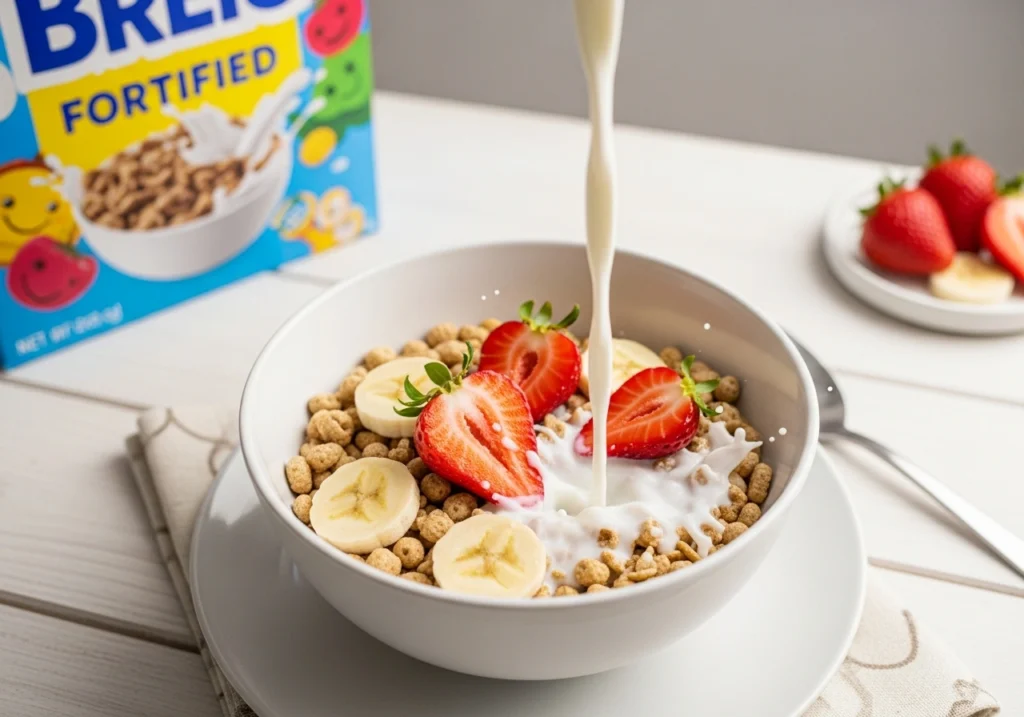
Breakfast cereals can be an easy and enjoyable way to increase your Vitamin D nutrition, especially for children or picky eaters. Many brands fortify cereals with essential nutrients, including Vitamin D.
Vitamin D content:
- Varies by brand but usually ranges from 40–100 IU per serving.
Why it’s one of the easiest Vitamin D foods:
- Great for vegetarians.
- Often combined with fortified milk or yogurt for an extra Vitamin D boost.
- Offers fiber, iron, and B vitamins for overall health.
How to enjoy:
- Pair with fortified milk for double the Vitamin D benefits.
- Add fruit and nuts for a more balanced meal.
Tip: Avoid sugary options. Choose whole-grain cereals fortified with Vitamin D and other essential nutrients.
7. Beef Liver: The Traditional Nutrient Powerhouse
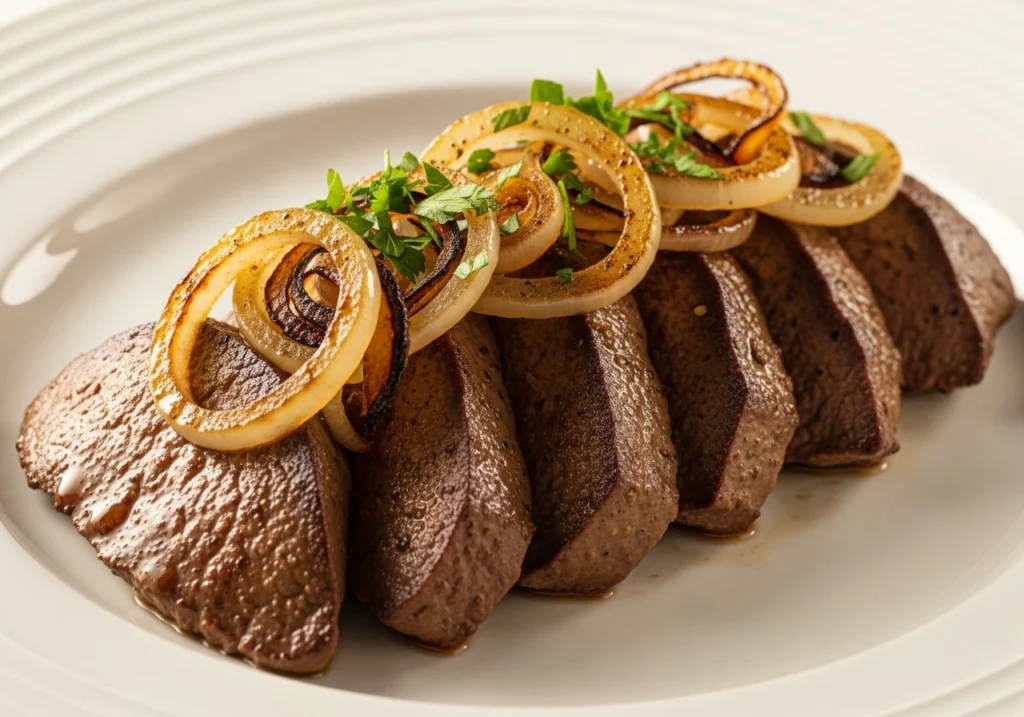
Beef liver might sound old-fashioned, but it’s a nutritional powerhouse packed with vitamins and minerals. It’s one of the most potent natural Vitamin D sources available from animal foods.
Vitamin D content:
- A 100-gram serving contains around 40–50 IU of Vitamin D.
Other nutritional highlights:
- High in iron, Vitamin A, zinc, and B12 — vital for blood formation and energy production.
- Supports immunity, bone development, and hormonal balance.
How to include:
- Enjoy as a pan-fried dish with onions and herbs.
- Blend small amounts into meatballs, patties, or stews for a milder flavor.
- Try making pâté as a nutrient-dense spread.
Tip: Because it’s also high in Vitamin A and cholesterol, limit consumption to once or twice a week.
Vitamin D Benefits You Shouldn’t Ignore
Once you start adding these healthy foods for Vitamin D into your diet, you’ll begin to notice some clear improvements:
- Stronger bones and joints: Because Vitamin D boosts calcium absorption.
- Improved mood: Research links optimal Vitamin D levels to better mental health.
- Fewer colds and infections: Supports immune response.
- Better muscle performance: Helps maintain balance and strength, especially with aging.
These Vitamin D benefits show why maintaining adequate levels is essential for both physical and mental well-being.
Extra Tips to Improve Your Vitamin D Nutrition Naturally
If you’re trying to build a balanced diet with sufficient Vitamin D, follow these simple steps:
- Combine multiple Vitamin D foods for variety and balance.
- Pair Vitamin D sources with healthy fats, such as olive oil or nuts, to improve absorption.
- Spend 15–20 minutes in sunlight a few times a week to complement dietary intake.
- Choose fortified foods Vitamin D when natural sources are limited, especially during winter.
Vitamin D Might Be Closer Than You Think
You don’t need expensive supplements to fix a Vitamin D deficiency. Everyday items in your kitchen may already contain what your body needs. From canned tuna and mushrooms to eggs and fortified juices, these foods high in vitamin D are simple to include in your daily meals.
Building a diet around the best sources of Vitamin D can help you strengthen bones, boost immunity, and lift your mood naturally. Whether you’re exploring how to get Vitamin D from food or just trying to eat healthier, this Vitamin D rich foods list is a great place to start.
Good nutrition isn’t about complexity; it’s about consistency. Choose smart, wholesome, natural Vitamin D sources, and your body will thank you for it in the long run.